
Where Technical Skills Meet Business Acumen
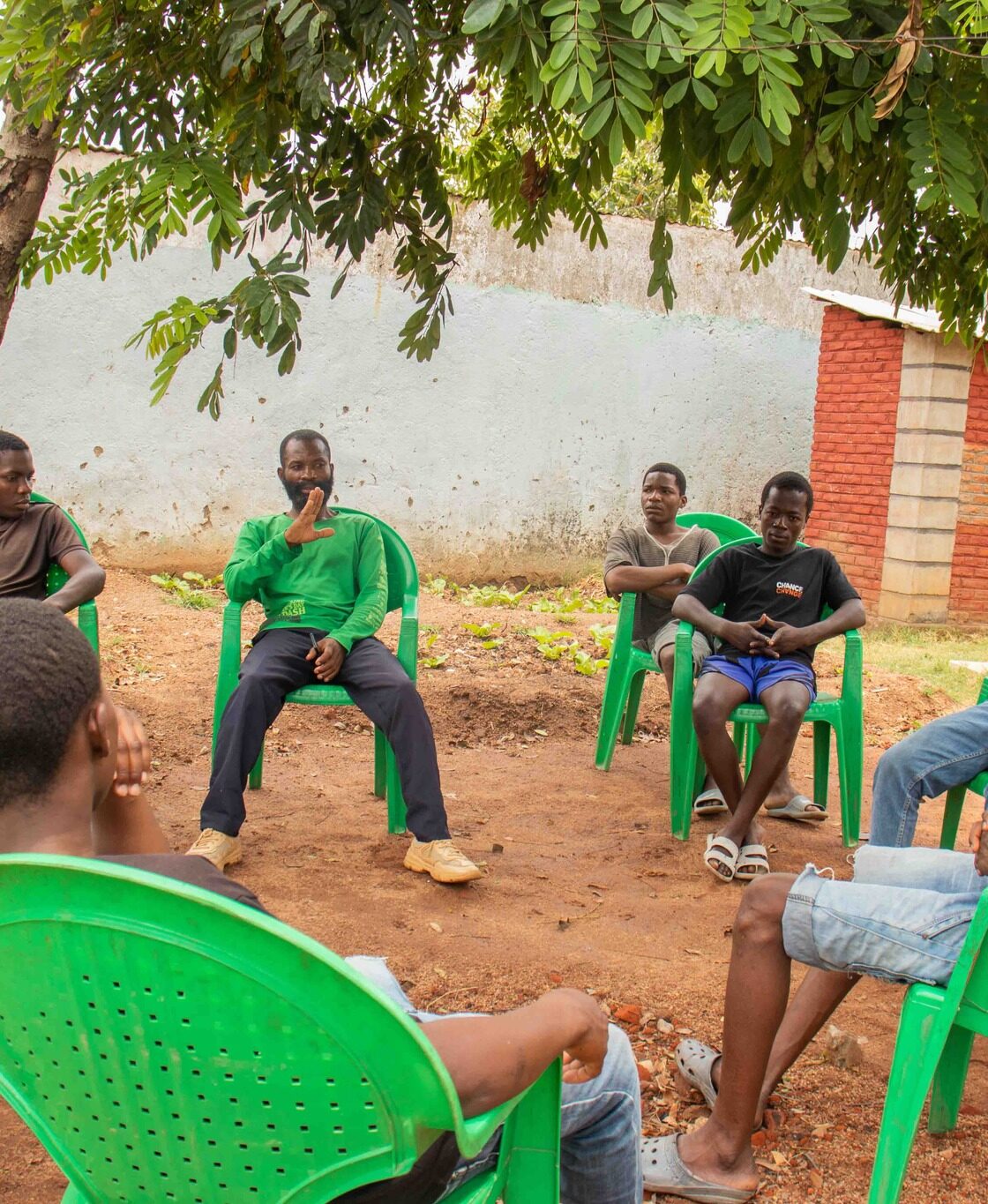
In a sunlit classroom at Mwayi Wosintha‘s Private Reformatory Centre, bricklaying instructor Joster Bhika stands before a group of attentive young people, but the day’s lesson has nothing to do with mixing mortar or laying courses.
Instead, the whiteboard behind him is covered with figures, calculations, and itemised lists. Today’s class is about something equally crucial to their futures: understanding how to put together an accurate construction quote and navigate the complex business landscape of Malawi’s building industry.
The Missing Piece in Vocational Training
Many vocational training programmes focus exclusively on technical skills, teaching young people to lay bricks (bricklaying), mix concrete, and read building plans. These skills are essential, certainly, but they represent only half of what’s needed to succeed as an independent tradesperson. The other half—the business knowledge that separates a skilled worker from a successful entrepreneur—often goes completely untaught.
Joster Bhika understands this gap intimately. With years of experience in Malawi’s construction industry, he’s seen countless skilled bricklayers struggle not because they couldn’t build a wall, but because they couldn’t price a job correctly.
They underquote and work at a loss, or overquote and lose contracts to competitors. They forget to include essential items in their quotes, or fail to account for transport costs, waste, and their own time. The technical excellence they’ve painstakingly developed becomes worthless if they can’t translate it into sustainable income.
This is why sessions like today’s theoretical class on quoting and pricing form a crucial component of Mwayi Wosintha’s bricklaying programme. The organisation recognises that releasing young people with skills but without business knowledge is setting them up for failure, no matter how expertly they can lay bricks.
The Anatomy of a Construction Quote

Bhika’s lesson begins with the fundamentals: what actually goes into a construction quote. For many participants, this is revelatory. They may have helped build structures before, but few have understood the full scope of what must be considered and costed.
The checklist for commonly quoted items becomes their roadmap to comprehensive quoting. Materials form the obvious starting point—bricks, cement, sand, water—but Bhika emphasises the importance of accurate quantity calculations. Underestimate the cement needed and you’ll make multiple expensive trips to the supplier, eating into your profit margin with transport costs. Overestimate significantly and capital gets tied up in unused materials that may deteriorate before the next job.
Labour costs require careful consideration. How many workers will the job need? How many days will it take? What’s the going rate for skilled versus unskilled labour in the local market? These calculations demand realistic assessment of both the project’s complexity and one’s own capabilities. A job that might take an experienced team three days could take newcomers five—and quoting based on optimistic timelines leads to financial disaster.
Then there are the items that inexperienced tradespeople often forget entirely: transport costs for materials and workers, tool hire or depreciation, waste allowances, and contingency for unexpected complications. Water and electricity usage during construction, protective equipment, scaffolding or ladders, even the cost of obtaining necessary permits—each represents a real expense that must be recovered through the quote.
The participants take notes furiously, beginning to understand why the seemingly simple question ‘how much to build this wall?’ requires such complex calculation. The checklist Bhika provides isn’t just a teaching tool; it’s a practical resource they’ll refer to for years, ensuring nothing gets forgotten when they’re pricing their own projects.
Pricing Strategies and Profit Margins
Understanding what to include in a quote is one thing; knowing how to price it strategically is quite another. Bhika’s lesson moves into the nuanced territory of pricing strategies, where technical knowledge meets business acumen and psychology.
Profit margins spark particularly animated discussion. How much profit is reasonable? How much is necessary for business sustainability? The young people quickly grasp that profit isn’t greed—it’s the mechanism that enables business growth, provides buffer for lean periods, and allows investment in better tools and training. A 15% profit margin might sound generous until you consider that it must cover business development, equipment replacement, and income during periods when work is scarce.
Bhika introduces them to different pricing approaches. Cost-plus pricing, where you calculate all costs and add your desired profit margin, provides a solid baseline. But competitive pricing requires understanding what others charge for similar work, ensuring your quotes aren’t so high that clients automatically choose competitors, nor so low that they question your competence or work yourself into poverty.
Value-based pricing represents the most sophisticated approach, and Bhika illustrates it with real-world examples from Malawi’s construction market. A standard brick wall might be priced cost-plus, but a decorative feature wall using specialist techniques could command premium pricing. The client isn’t just paying for bricks and mortar; they’re paying for expertise, aesthetic vision, and the value added to their property.
The discussion touches on psychological pricing strategies too. Quoting 47,500 Kwacha rather than 50,000 Kwacha might seem trivial, but it can influence client perception and decision-making. Breaking down quotes into clearly itemised sections rather than presenting a single total figure helps clients understand where their money goes and builds trust in your professionalism.
Understanding Competitive Market Rates
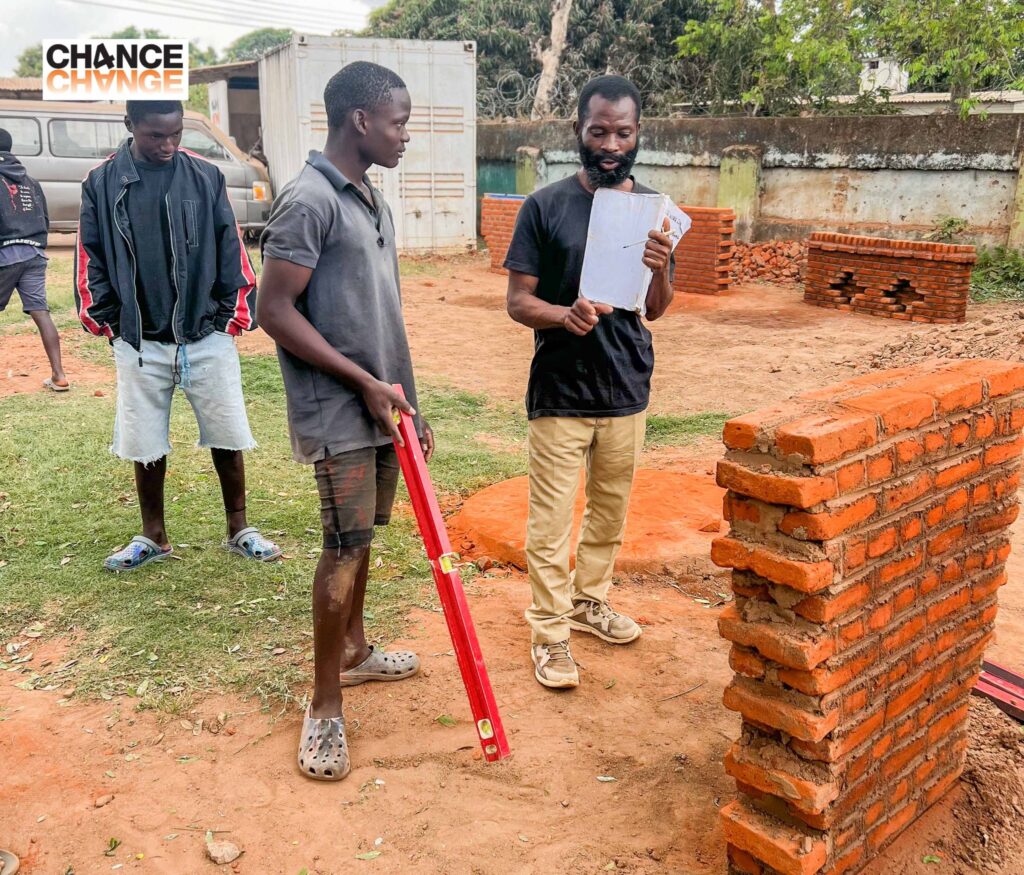
Perhaps the most valuable component of Bhika’s lesson involves understanding competitive market rates in Malawi’s construction industry. This knowledge separates sustainable businesses from those that fail within months of starting.
The participants learn that market rates vary significantly by location, season, and economic conditions. What clients willingly pay for construction in Lilongwe differs from rates in rural areas. During the dry season when construction activity peaks, rates may be higher than during the rainy season when work slows. Economic downturns or booms affect what people can afford to spend on building projects.
Bhika emphasises the importance of market research. Talk to other bricklayers. Visit construction sites and observe. Check material prices regularly at different suppliers. This ongoing intelligence-gathering isn’t optional; it’s fundamental to remaining competitive. Quote too high based on outdated market knowledge and watch potential clients choose cheaper alternatives. Quote too low because you haven’t checked current material prices and watch your profit evaporate or turn into losses.
The lesson also addresses a common trap for new tradespeople: competing solely on price. Undercutting established competitors might win initial contracts, but it’s rarely sustainable. Clients who choose based purely on lowest price often prove difficult, demanding, and slow to pay. Meanwhile, you’ve locked yourself into unprofitable work that prevents you taking on better opportunities.
Instead, Bhika teaches them to compete on value, reliability, and quality. A quote that’s slightly higher but comes with clear communication, professional presentation, realistic timelines, and quality guarantees often wins over a bare-bones cheaper alternative. Understanding this distinction—that you’re not selling the cheapest service but the best value—transforms how the participants think about their future businesses.
From Theory to Practice: Why This Knowledge Matters
The theoretical class on quoting and pricing isn’t an academic exercise divorced from the participants’ futures. For young people who will soon leave the Private Reformatory Centre and attempt to establish themselves as independent bricklayers, this knowledge represents the difference between sustainable self-employment and desperate poverty.
Consider the typical trajectory without this business training. A skilled young bricklayer is released, receives startup tools through Mwayi Wosintha’s reintegration programme, and manages to find a potential client who wants a small building constructed. Without understanding how to quote properly, they guess at a price that sounds reasonable. Perhaps they forget to include transport costs. Perhaps they underestimate how long the job will take. Perhaps they don’t account for waste or don’t know current market rates for materials.
Midway through the project, they realise they’re losing money. The materials cost more than expected. The job’s taking longer than planned. Transport expenses are mounting. But they’ve committed to the quoted price and can’t renegotiate without damaging their reputation. They complete the work at a loss, depleting the limited capital they started with. Without funds to take on the next job or sustain themselves while seeking work, they’re forced back into the desperate circumstances that led to offending in the first place.
Now consider the same scenario with Bhika’s training applied. The young bricklayer receives the same inquiry but approaches it systematically using the checklist they learned. They calculate material quantities accurately, check current supplier prices, estimate labour time realistically, include transport and waste allowances, research competitive market rates, add an appropriate profit margin, and present a professional, itemised quote.
The client accepts. The project proceeds smoothly because it was priced accurately. The bricklayer completes the work, gets paid, and crucially, makes a profit. That profit funds the next period whilst they seek more work. Success builds on success. Satisfied clients provide referrals. The business grows sustainably.
The difference between these outcomes isn’t technical skill—both bricklayers could build equally well. The difference is business knowledge, the kind that Bhika imparts in theoretical classes like this one.
Part of a Larger Vision
This focus on business skills alongside technical training reflects Mwayi Wosintha’s holistic approach to rehabilitation and reintegration. The organisation understands that lasting change requires more than removing young people from harmful environments or teaching them trades. It requires equipping them with the full suite of knowledge and skills needed to build sustainable, independent lives.
The bricklaying programme exemplifies this philosophy. Participants don’t just learn to mix mortar, lay bricks, and build walls—though they certainly master these technical competencies through extensive hands-on practice. They also learn business planning, financial management, customer relations, and professional standards. They understand quality control, workplace safety, and the importance of reputation in winning future contracts.
Instructors like Joster Bhika bring real-world experience and understanding of what participants will actually face when they leave. They’ve navigated Malawi’s construction market themselves. They know which mistakes are common and costly. They understand the challenges of establishing a business with limited capital and the prejudice former detainees often face. Their teaching addresses these realities head-on rather than presenting idealised scenarios.
This practical, comprehensive approach distinguishes Mwayi Wosintha’s vocational training from programmes that focus solely on technical skills. It recognises that participants need not just the ability to do the work, but the knowledge to win contracts, price jobs profitably, manage finances, and build businesses that can sustain them for years to come.
Building More Than Walls
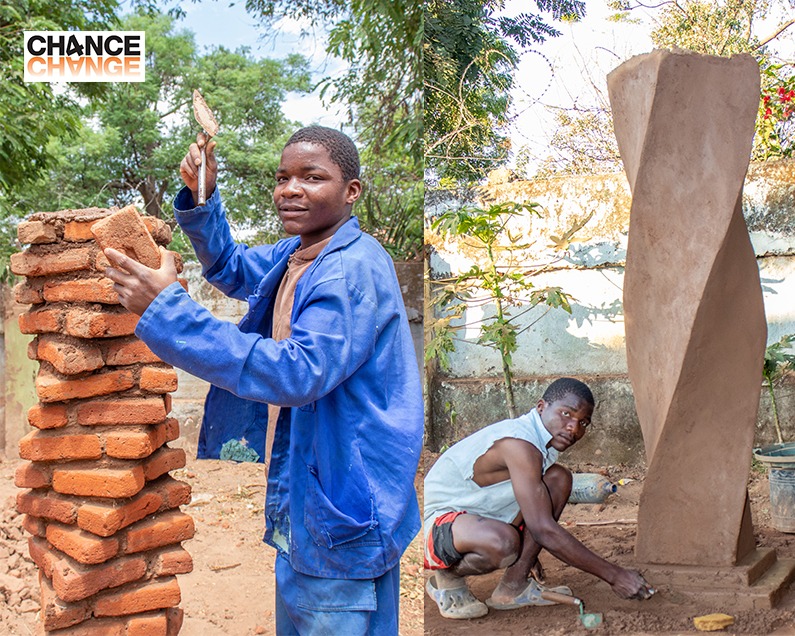
The skills Bhika teaches in sessions like this one multiply the value of every practical skill learned on the construction site. Knowing how to lay bricks perfectly is valuable; knowing how to price that skill correctly and win profitable contracts is transformative. The combination creates genuine economic opportunity rather than just temporary employment.
For young people who entered the justice system because poverty gave them no viable alternatives, this represents more than vocational training. It represents a fundamental shift in life trajectory, from the cycle of offending and detention to sustainable self-employment and community contribution. The theoretical class on quoting and pricing might seem mundane compared to the more visible aspects of construction work, but it’s precisely this attention to the business fundamentals that determines whether participants succeed or fail after release.
In teaching young people to calculate quotes, understand profit margins, and navigate competitive markets, Mwayi Wosintha is building more than skilled bricklayers. They’re building entrepreneurs, business owners, and contributing members of Malawi’s economy. They’re building futures that don’t depend on charity or chance, but on solid foundations of knowledge, skill, and business acumen. And those foundations, like the walls these young people learn to construct, are built to last.