
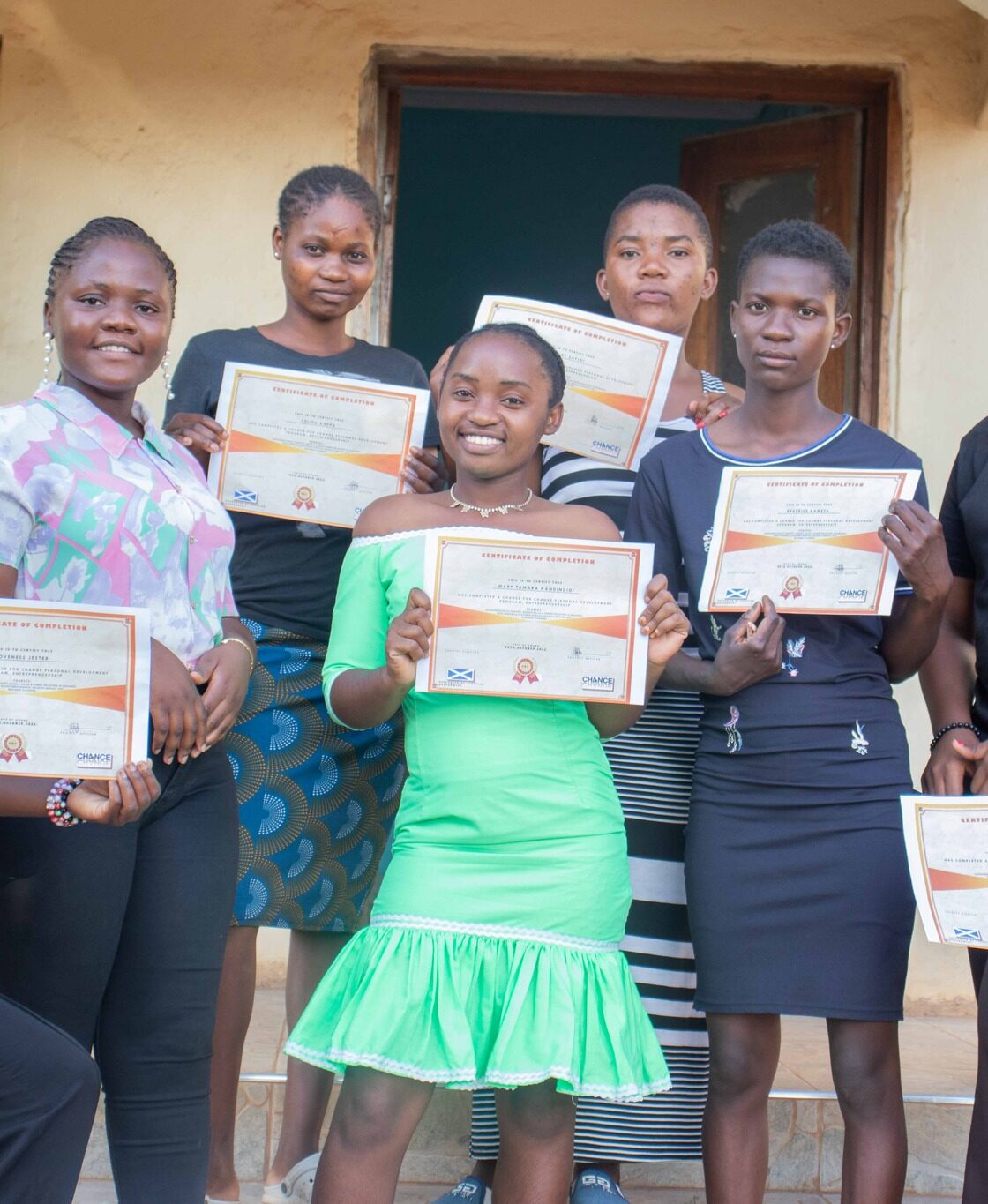
The eight young women standing before the small gathering in Area 23 hold more than certificates in their hands. The printed documents from Mwayi Wosintha’s Pioneers of Change programme mark their completion of a three-month entrepreneurship course, certainly, but they represent something far more significant: tools to reshape their futures, challenge deeply entrenched cultural barriers, and build economic independence in a society that has historically denied them such opportunities.
These girls from Benito and Chiuzira communities face challenges that would overwhelm many adults. Poverty constrains their families’ ability to support their education or basic needs. Cultural expectations pressure them towards early marriage and domestic roles. Economic desperation makes risky behaviours—including sex work—seem like the only viable path to survival. The cycle appears inescapable, repeated across generations, crushing aspirations before they can fully form.
But today, as they receive their certificates, these eight girls hold tangible evidence that the cycle can be broken. They’ve acquired knowledge and skills that will enable them not just to survive, but to build businesses, generate sustainable income, and ultimately chart their own courses through life’s challenges.
The Pioneers of Change Programme: A Comprehensive Approach
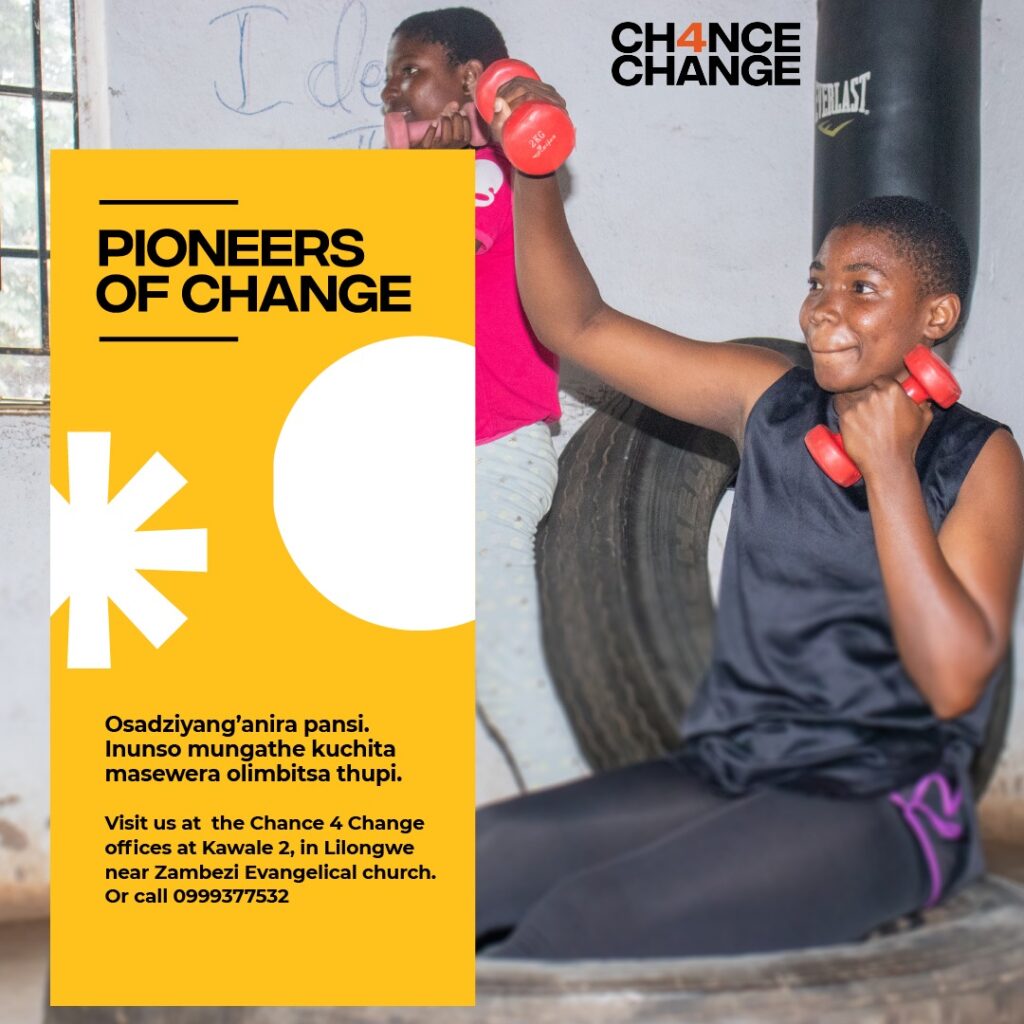
Mwayi Wosintha’s Pioneers of Change programme exists specifically to serve girls who are victims or at high risk of trafficking, abuse, and exploitation. These aren’t girls who have made poor choices; they’re girls whom poverty and circumstance have forced into impossible situations. The programme recognises that genuine protection and empowerment require more than temporary assistance—they require transforming girls’ economic prospects and challenging the social structures that perpetuate their vulnerability.
The entrepreneurship course these eight girls completed represents one crucial component of this comprehensive approach. Over three months of intensive training, they engaged with concepts and skills that most Malawian girls never access, building a foundation for economic self-sufficiency that could protect them for life.
Building Business Acumen from the Ground Up
The course began with fundamental entrepreneurship concepts, ensuring participants understood what business actually means and how enterprises function. For girls who may have grown up in households where formal employment or business ownership seemed utterly foreign, these foundational lessons opened new ways of thinking about income generation and economic participation.
Understanding basic business principles—identifying market opportunities, assessing demand, recognising competition, calculating profit margins—transforms how one sees the economic world. A girl who previously thought of maize flour simply as something to buy suddenly recognises it as a commodity with supply chains, price variations, and business opportunities. This shift in perspective is profound, changing not just what they know but how they understand their potential role in the economy.
The curriculum’s focus on gender roles and power relations in business proved equally transformative. Malawian society harbours deeply ingrained beliefs about women’s capabilities and appropriate roles. Many girls internalise messages that business and money management are male domains, that women should defer to men in financial decisions, that aspiring to economic independence represents cultural betrayal. These beliefs constrain possibilities before they’re even considered.
By explicitly addressing gender and power dynamics, the course challenged these internalised constraints. Participants examined how cultural beliefs about gender shape economic opportunities, discussed strategies for navigating male-dominated business environments, and explored examples of successful women entrepreneurs. They learned that cultural traditions, whilst important, can evolve, and that claiming economic agency doesn’t require abandoning one’s identity or community.
Practical business skills formed another crucial pillar. Bookkeeping instruction demystified financial record-keeping, showing participants how to track income and expenses, calculate profit, and understand whether their business was actually succeeding or merely appearing to. Customer service training taught them that how you treat clients often matters as much as what you sell, and that building a reputation for reliability and quality creates sustainable competitive advantage.
Decision-making and business planning modules equipped them with frameworks for making strategic choices about their enterprises. When should you expand? How do you handle difficult customers? What do you do when suppliers raise prices? These aren’t abstract questions; they’re the daily challenges that determine whether small businesses survive or fail. Having frameworks and strategies for addressing them dramatically improves odds of success.
Perhaps most innovatively, the course introduced soft skills often neglected in basic business training. Leadership development helped participants recognise and cultivate their own leadership potential, challenging narratives that positioned them as perpetual followers or subordinates. Networking instruction taught them that business success often depends on relationships and connections, showing them how to build professional networks even in resource-constrained environments.
The introduction to virtual markets represented the course’s most forward-looking element. Whilst these girls may currently operate in primarily cash-based, face-to-face transactions, understanding digital commerce and online marketing positions them to adapt as Malawi’s economy evolves. Mobile money platforms are already transforming how people transact; understanding how to leverage these technologies could prove crucial to future business success.
Beyond Skills: Confidence and Identity Transformation
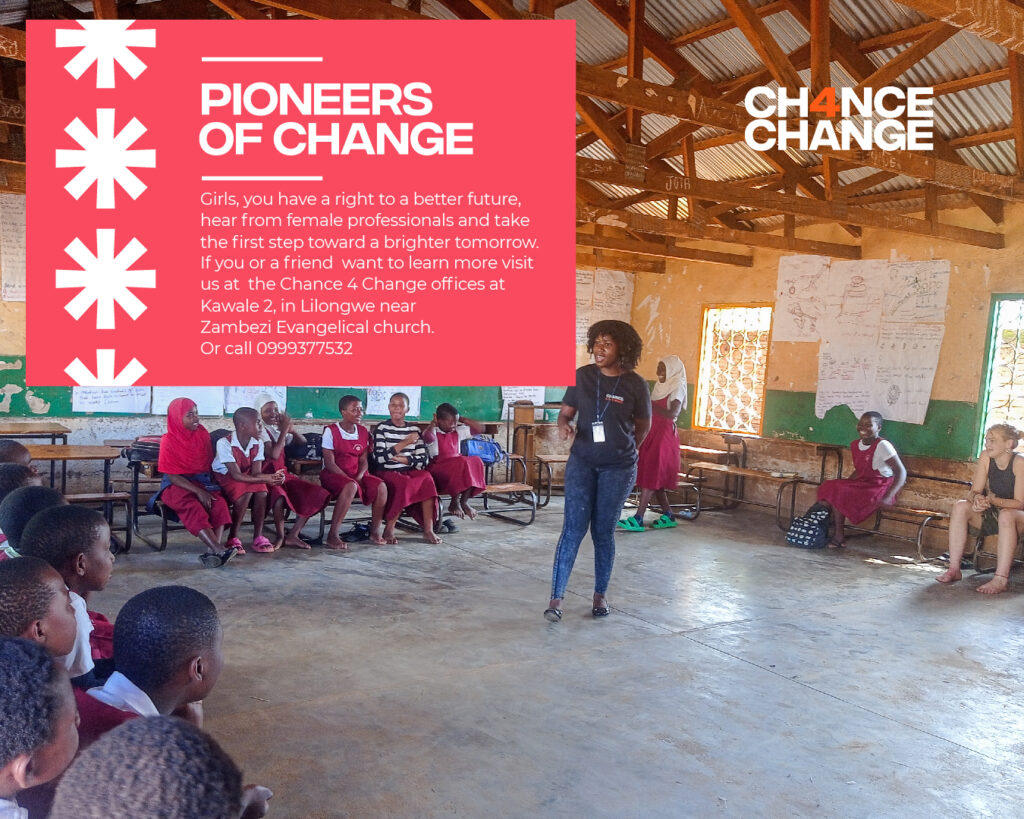
The skills and knowledge gained through the entrepreneurship course matter enormously, but perhaps the most profound transformation happens at a deeper level. These eight girls entered the programme carrying society’s messages about their limitations, their proper roles, their constrained futures. They leave carrying certificates that declare them capable, competent, and equipped to run enterprises of their own choosing.
This shift in self-perception and confidence ripples through every aspect of their lives. A girl who believes she can successfully run a business approaches other challenges differently. She’s more likely to negotiate for fair treatment, less likely to accept exploitative relationships, more willing to pursue education or training opportunities, better equipped to resist pressures towards early marriage or risky income-generation strategies.
The certificate itself, whilst symbolically important, matters less than the demonstrated competence it represents. These girls spent three months engaging with complex concepts, completing assignments, applying learning to practical scenarios, and proving to themselves that they could master material that might have seemed impossibly difficult at the outset. That experience of struggle, persistence, and ultimate success builds resilience and self-efficacy that extends far beyond business contexts.
Moreover, completing the course as a cohort creates peer networks of young women with shared goals and challenges. These relationships provide mutual support, accountability, and encouragement that can sustain them through difficulties ahead. When cultural pressures mount or business challenges seem overwhelming, having peers who understand and can offer both practical advice and emotional support makes the difference between persisting and abandoning one’s enterprise.
Economic Independence as Protection
The connection between economic independence and girls’ safety might not be immediately obvious, but it’s fundamental to understanding why entrepreneurship training matters for vulnerable adolescent girls. In contexts of extreme poverty, economic desperation drives engagement in risky behaviours that expose girls to exploitation, abuse, and long-term harm.
When a girl has no legitimate means of supporting herself, when her family cannot provide for basic needs, when hunger and lack override all other considerations, sex work can seem like the only option. Older men offer money or gifts in exchange for sexual relationships. Girls accept because refusing means going without food, school fees, or basic necessities. The transaction appears consensual but occurs within constraints that make genuine consent impossible.
Economic independence breaks this pattern by providing alternatives. A girl running a successful maize flour business can meet her daily needs through legitimate income. She can support herself without entering exploitative relationships. She can refuse dangerous propositions because she has viable alternatives. The income generated through enterprise, whilst perhaps modest, fundamentally changes the calculus of decision-making.
This protection extends beyond individual safety to broader community health outcomes. Girls engaged in survival sex work face high risks of HIV infection, other sexually transmitted diseases, and unintended pregnancy. Their children, born into similar poverty, often perpetuate the cycle. Breaking this pattern through economic empowerment doesn’t just protect individual girls; it disrupts intergenerational transmission of poverty and vulnerability.
The entrepreneurship course also equips girls to recognise and resist other forms of exploitation. Understanding business concepts helps them identify when they’re being cheated in transactions. Financial literacy enables them to assess whether proposed business partnerships or employment opportunities are legitimate or exploitative. These skills provide practical tools for navigating an environment where vulnerable young women are frequent targets of scams and manipulation.
Challenging Deeply Rooted Gender Barriers
The entrepreneurship course’s impact extends beyond individual economic outcomes to challenging cultural beliefs and power structures that keep Malawian girls in positions of subordination. These barriers operate at multiple levels, from explicit restrictions on what girls can do to subtle messages about appropriate aspirations and capabilities.
Cultural beliefs about gender in Malawi often position women as naturally suited to domestic roles and subordinate to male authority in economic and family decisions. Girls absorb these messages from childhood, internalising limitations before they consciously recognise them. Aspirational barriers emerge not from external prohibition but from girls’ inability to envision futures different from those they’ve witnessed. When every woman you know occupies subordinate economic positions, imagining yourself as a successful business owner requires tremendous psychological work.
The course directly confronts these internalised constraints by providing both knowledge and role models. Learning about gender roles and power relations in business makes implicit barriers explicit, allowing girls to recognise and name constraints they previously experienced as natural or inevitable. Understanding that these barriers are cultural constructions rather than inherent truths opens space for challenging and changing them.
Moreover, the very act of girls completing business training and launching enterprises challenges community assumptions about gender and capability. When these eight certificants successfully run their maize flour businesses, they become visible examples contradicting narratives about women’s unsuitability for commerce. Each successful transaction, each satisfied customer, each business decision competently made chips away at stereotypes and expands what communities perceive as possible for girls.
This challenge to gender norms benefits not just these eight girls but potentially transforms opportunities for younger girls watching them. Seeing older girls running businesses, managing money, making independent decisions, and succeeding economically plants seeds of possibility. It makes entrepreneurship imaginable for girls who might otherwise never consider it. This ripple effect through communities may ultimately prove more transformative than the direct economic impact on programme participants.
The course also equips participants with strategies for navigating resistance to their economic independence. Families and communities don’t always embrace girls’ entrepreneurial ambitions, particularly when those ambitions challenge traditional gender roles. Understanding these dynamics and having strategies for managing them—whether through demonstrating competence, sharing benefits, or finding allies—increases likelihood that girls can sustain their enterprises despite social pressure.
From Training to Enterprise: The Maize Flour Business
The true test of any business training comes when participants attempt to apply their learning in real-world contexts. Theory and classroom exercises matter, but actually identifying opportunities, securing resources, and launching viable enterprises determines whether training translates into sustainable change.
The eight certificants have already passed this test. Rather than treating their completion of the course as an endpoint, they’ve formed two business groups and identified a promising opportunity: selling maize flour in response to increased demand in their communities. This choice demonstrates sophisticated application of their training.
Maize flour represents a staple commodity in Malawian diet, meaning consistent demand exists. The girls identified increasing need in their specific communities, suggesting supply hasn’t kept pace with demand—exactly the kind of market gap that creates business opportunity. The product doesn’t require complex processing or specialised skills to handle, making it accessible for new entrepreneurs. It can be purchased in bulk and sold in smaller quantities, allowing markup whilst still offering competitive prices.
Forming two groups rather than eight individual businesses demonstrates strategic thinking about resource pooling and risk sharing. Group enterprises can afford larger initial stock purchases, reducing per-unit costs. They can share responsibilities, ensuring business continues even when individual members face personal challenges. They provide built-in support and accountability systems. These advantages, particularly for new entrepreneurs with limited capital, often make the difference between quick failure and sustainable growth.
Mwayi Wosintha’s provision of startup capital addresses perhaps the most significant barrier facing aspiring entrepreneurs from impoverished backgrounds. Knowledge and skills mean little without resources to apply them. These girls understand how to run a maize flour business, but without capital to purchase initial stock, they couldn’t begin. The startup funding transforms potential into reality, enabling them to immediately apply their training whilst momentum and enthusiasm remain high.
This comprehensive support—training followed by startup capital—reflects Mwayi Wosintha’s understanding that sustainable change requires addressing multiple barriers simultaneously. Training without capital leaves girls frustrated and unable to apply learning. Capital without training leads to poorly managed enterprises that quickly fail. The combination creates genuine opportunity for success.
The Road Ahead: Challenges and Possibilities
The certificate ceremony marks a beginning rather than an ending. These eight girls now face the challenging work of translating training into sustainable enterprises, navigating business realities that inevitably prove more complex than classroom scenarios suggested.
They’ll encounter difficulties their course couldn’t fully prepare them for: suppliers who don’t deliver as promised, customers who want credit they can’t afford to extend, family members who view business income as communal resource rather than enterprise capital, seasonal fluctuations in demand they didn’t anticipate. Some will struggle more than others. Some enterprises may fail despite best efforts. The path to economic independence is rarely smooth, particularly for young women operating in challenging environments.
But they won’t navigate these challenges alone. Mwayi Wosintha’s Pioneers of Change programme provides ongoing support beyond the initial training and startup capital. Staff maintain contact with participants, offering mentorship, problem-solving assistance, and encouragement through difficult periods. This sustained engagement recognises that building successful enterprises requires time, persistence, and support—particularly for adolescent girls facing both business challenges and broader social pressures.
The group structure they’ve chosen provides additional resilience. When one member feels discouraged, others can offer encouragement. When one faces a challenge, others may have insights or solutions. The mutual accountability helps maintain commitment during periods when individual motivation might waver. These peer support systems often prove crucial to long-term success.
If even half of these eight girls succeed in building sustainable enterprises that support their needs and protect them from exploitation, the programme will have achieved remarkable impact. If their visible success inspires younger girls in their communities to pursue similar paths, the ripple effects could transform opportunities for an entire generation. And if the experience of running businesses continues challenging cultural assumptions about gender and economic participation, the long-term social impact may exceed even the immediate economic benefits.
More Than Maize Flour: Building Futures Worth Having
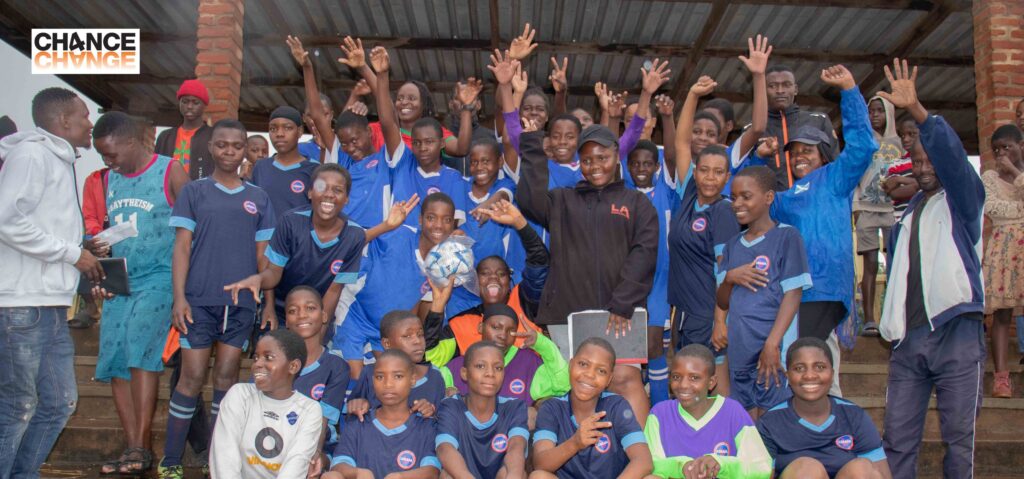
When these eight girls from Benito and Chiuzira begin selling maize flour in their communities, casual observers might see only small-scale commerce. But understanding their journey reveals something far more significant: young women who entered the Pioneers of Change programme trapped by poverty, cultural constraints, and limited horizons are emerging as entrepreneurs equipped with skills, confidence, and viable pathways to economic independence.
Their businesses will generate income that supports daily needs, certainly, but the transformation extends beyond financial transactions. Each successful sale represents a small assertion of economic agency. Each business decision made independently challenges cultural messages about female subordination. Each difficulty navigated and overcome builds resilience and self-efficacy. Each younger girl watching them internalises expanded possibilities for her own future.
The certificates they received represent more than course completion; they’re declarations of competence, evidence of capability, and tools for claiming space in economic spheres historically denied to girls like them. The entrepreneurship course gave them knowledge and skills, but perhaps more importantly, it gave them permission to envision themselves as business owners, economic actors, and agents of their own futures rather than passive recipients of whatever circumstances dictated.
This is how lasting change happens—not through grand interventions that transform everything overnight, but through specific, comprehensive programmes that equip individuals with tools to transform their own circumstances. Eight girls seems like a small number until you consider the multiplier effects: the family members they’ll support, the community perceptions they’ll shift, the younger girls they’ll inspire, the exploitative situations they’ll avoid because economic independence gave them alternatives.
Mwayi Wosintha’s Pioneers of Change programme, through initiatives like this entrepreneurship course, embodies the organisation’s fundamental principle: to inspire a future worth having. For these eight certificants, that future is no longer abstract aspiration but concrete possibility, built on foundation of business knowledge, startup capital, ongoing support, and most importantly, their own demonstrated capability to learn, adapt, and succeed. As they step into their new roles as entrepreneurs, they carry more than maize flour to market. They carry hope, possibility, and proof that the cycles that trapped previous generations can be broken—one business, one girl, one community at a time.