Leaving No Child Behind: A New Chapter in Our Journey

The Disability Inclusion Initiative represents a transformative commitment by Mwayi Wosintha to ensure that children and young people with disabilities have equal access to all our programmes—rights, protection, and opportunities that have historically been denied to them.
For over a decade, Mwayi Wosintha has served thousands of vulnerable children through our Private Reformatory Centre and Pioneers of Change programmes. We have witnessed remarkable transformations—children escaping exploitation, completing education, representing Malawi internationally as elite athletes, and building sustainable futures.
But we have not served all children equally. And we acknowledge this honestly.
Children with disabilities were largely excluded from our programmes. Not by intention, but by lack of capacity. We did not have the expertise, infrastructure, or partnerships needed to ensure accessibility and inclusion. Girls with disabilities could not fully participate in Pioneers of Change. Boys with disabilities faced barriers in our skills training programmes. Children with disabilities in the justice system received inadequate support for their specific needs.
This changes now!
The Disability Inclusion Initiative is our strategic commitment to building truly inclusive programmes where every child—regardless of ability—can access the same transformative support, protection, and opportunities.
.
Acknowledging the Past: Why This Matters
Our Journey to Inclusion
Honesty and accountability are core to our values. We cannot address exclusion without first acknowledging it.
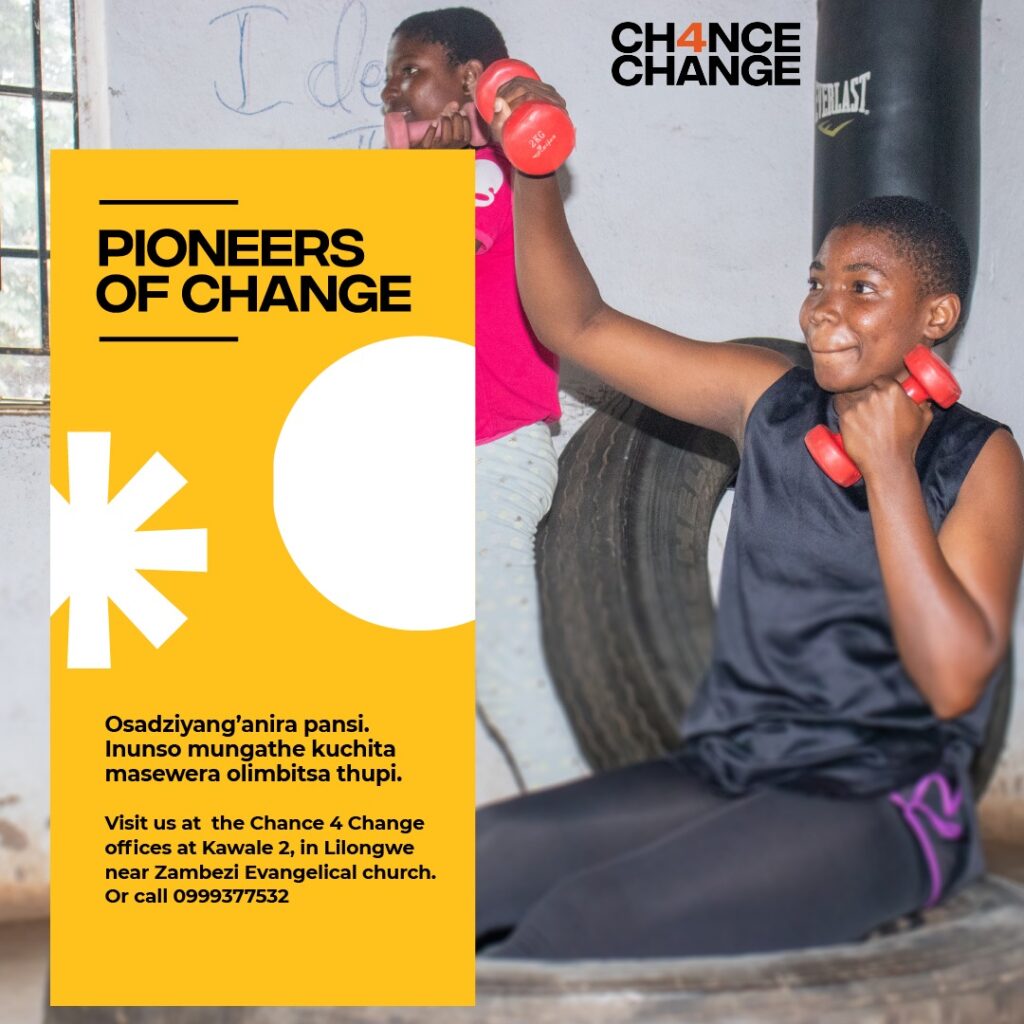
In our Pioneers of Change programme, which serves girls who are victims or at risk of trafficking and exploitation, we were unable to adequately include girls with disabilities.
For instance:
- Our football and boxing programmes, while transformative for many, were not accessible to girls with mobility impairments.
- Our drop-in centre lacked physical accessibility features.
- Our counselors had limited training in communicating with girls with hearing or visual impairments.
- In our Private Reformatory Centre, boys with disabilities could not fully participate in vocational training.
- Our carpentry, tailoring, and agricultural programmes required adaptations we did not know how to provide.
- Children with intellectual disabilities could not access cognitive rehabilitation programmes designed for neurotypical children.
This was not due to a lack of concern. It was due to a lack of expertise, resources, and partnerships!
The Cost of Exclusion
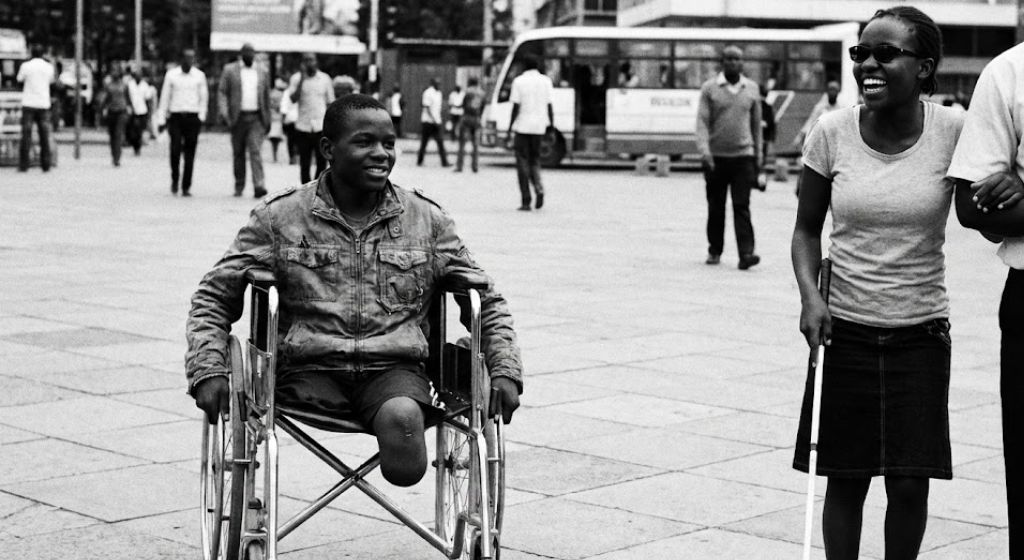
Children with disabilities in Malawi represent some of the most marginalized members of society. Research indicates that only 0.43% to 5.6% of school-aged children with disabilities attend school. They face multiple barriers including inaccessible infrastructure, inadequate trained teachers (only 1 trained special needs teacher for every 85 children with disabilities), lack of assistive devices, negative attitudes, and poverty.
When our programmes excluded children with disabilities, we compounded this marginalization.
Our Response
The Disability Inclusion Initiative
Together, we can build futures worth having—for ALL children.
Four Core Components

1. Increased Involvement of Children and Youth with Disabilities
Private Reformatory Centre:
- Proactively identify boys with disabilities in the justice system.
- Ensure full access to vocational training through adaptive tools.
- Modify rehabilitation programmes for diverse cognitive abilities.
- Provide assistive devices enabling full participation.
Pioneers of Change:
- Remove barriers for girls with disabilities in Foundation and LTE activities.
- Adapt sports programmes to be inclusive.
- Ensure facilities are physically accessible.
- Provide communication support.
Paralegal Services:
- Ensure appropriate legal representation.
- Advocate for accommodations in court proceedings.
- Address discrimination.
2. Enhanced Accessibility Across All Institutional Programmes
Physical Accessibility:
- Wheelchair ramps and accessible toilets.
- Safe navigation for children with visual impairments.
- Sensory-friendly spaces.
Communication Accessibility:
- Materials in Braille, large print, simplified language.
- Staff training in sign language.
- Multiple communication methods.
Programme Adaptation:
- Inclusive curricula and activities.
- Multiple ways to participate and demonstrate learning.
- Individualized support.
Attitudinal Change:
- Staff training in disability awareness.
- Challenge stigma and discrimination.
- Model inclusion and respect.
3. Access to Assistive Technology
Assessment and Provision:
- Partner with specialists to assess needs.
- Provide wheelchairs, hearing aids, glasses, communication devices, adaptive tools, and specialised learning materials.
Training and Support:
- Train children, families, and staff in proper use.
- Ongoing maintenance and troubleshooting.
Repair and Replacement:
- Establish maintenance systems.
- Replace devices as children grow.
Innovative Solutions:
- Explore low-cost, locally appropriate AT.
- Partner with AT innovators in Southern Africa.
4. Strategic Partnerships with Experts
We cannot do this work alone. Partnerships are central to our strategy.
Child Aid: Operating in Malawi since 2013, with significant experience working with children with disabilities in prevention, treatment, and rehabilitation services. Through this partnership, we will:
- Receive technical guidance on programme adaptation.
- Access specialized therapeutic services.
- Build staff capacity through training.
- Connect children to disability support networks.
Dr. George Mwika Kayange: Founder and creator of the Assistive Technology Innovation Wiki, showcasing AT innovations across Southern Africa. His experience includes:
- Creating AT guides showcasing low-tech and high-tech products.
- Organizing webinars on AT business innovations.
- Researching AT ecosystems in resource-constrained environments.
Join Us in Building an Inclusive Future
For too long, children with disabilities have been invisible in our programmes.
This changes now!
Support Us Now!
Invest In Our Inclusive Programming